
What Causes Dark Spots & How to Reduce Them Faster
3 min read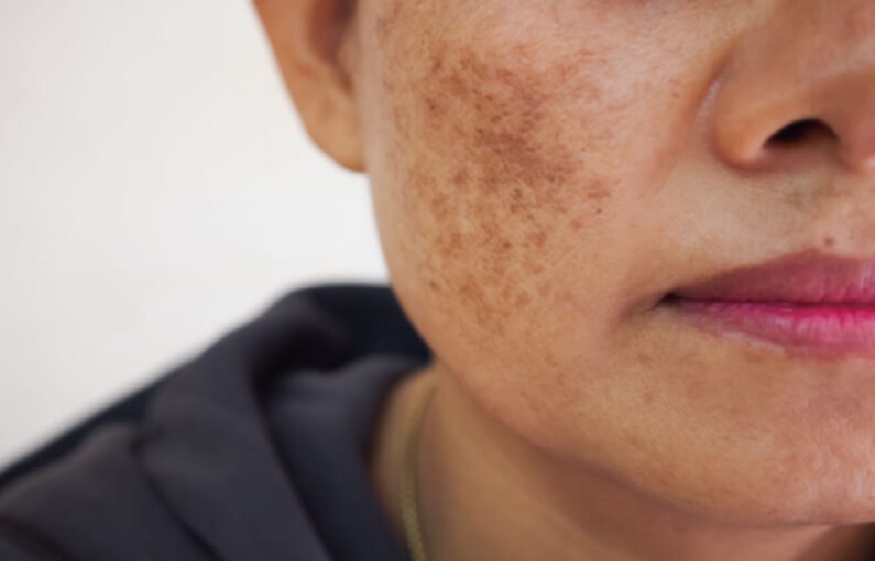
Imagine the confidence of skin that is perpetually radiant and even-toned, free from the shadows of discoloration. Yet, the reality for many is a constant battle against dark spots, those unwelcome patches that appear on our faces and exposed areas. These elusive marks, scientifically known as hyperpigmentation, are far more than just a cosmetic concern. They can chip away at confidence, make you feel less vibrant, and even suggest underlying skin issues. But what exactly triggers these stubborn spots, transforming an otherwise healthy skin? This deep dive will help you understand hyperpigmentation with proven strategies which can pave the way for a clearer, more confident complexion.
The Basics of Skin Discoloration
Dark spots, or hyperpigmentation, emerge when your skin produces an excess of melanin, the natural pigment responsible for your skin, hair, and eye color. This overproduction causes melanin to become localized in certain areas, leading to the appearance of darker patches or spots. Understanding the various triggers that cause this melanin overdrive is essential for both effectively treating existing spots and preventing new ones.
Primary Causes of Dark Spots
The following factors are the most common causes of dark spots and hyperpigmentation:
Sun Exposure
Ultraviolet (UV) radiation from the sun is the most significant cause. When your skin is exposed to harmful ultraviolet (UV) radiation from the sun, it produces melanin as a vital defense mechanism to protect the deeper layers of skin. Over time, consistent, intense, or unprotected sun exposure causes the melanocytes (pigment-producing cells) to become unregulated, resulting in an irregular overproduction of melanin. This manifests as freckles, sunspots (or solar lentigines), and an overall uneven skin tone, most commonly seen on the face, hands, and chest (décolletage).
Post-Inflammatory Hyperpigmentation (PIH)
PIH refers to the dark mark left behind after any type of skin inflammation or injury. This occurs after events like severe acne breakouts, insect bites, cuts, burns, or even aggressive skin treatments. The inflammation process itself triggers the melanocytes to go into overdrive during the healing process. Once the initial trauma has resolved, a dark, discolored spot is left in its place.
Hormonal Changes
Hormonal fluctuations are directly linked to a specific type of hyperpigmentation called melasma. This condition is often seen during pregnancy, in individuals taking oral contraceptives, or during menopause. Melasma typically presents as symmetrical, larger patches of dark discoloration, most commonly appearing on the forehead, cheeks, and upper lip.
The Aging Process
While age itself isn’t the direct cause, as you get older, your skin’s natural ability to regulate melanin production becomes less efficient. This, combined with a lifetime of accumulated sun damage, leads to the formation of more prominent age spots, often becoming noticeable after the age of 40.
Medications and Genetics
Certain drugs, including some antibiotics, non-steroidal anti-inflammatory drugs (NSAIDs), or even chemotherapy drugs, can either increase your skin’s sensitivity to the sun or directly cause hyperpigmentation as a side effect. Additionally, your genetic predisposition plays a role; if dark spots are common in your family, you may be more genetically prone to developing them.
How to Reduce Dark Spots
Here are some ways you can reduce the appearance of dark spots with time:
- Apply a broad-spectrum sunscreen with an SPF of 30 or higher every single morning, even on cloudy days or when indoors near windows.
- A well-chosen skincare routine can significantly accelerate the fading process. Look for ingredients known for their skin-brightening and melanin-inhibiting properties.
- Many effective night creams for dark spots contain ingredients like vitamin C, niacinamide, retinol, thiamidol and exfoliants which work intensively while you sleep, promoting a more even tone with time.
- For stubborn or widespread dark spots, a dermatologist can offer in-office procedures that yield faster, more dramatic results. They may suggest professional interventions like laser therapy, chemical peels and microdermabrasion.
Conclusion
Achieving an even tone demands patience, consistency, and informed choices. Daily, diligent sun protection is the absolute bedrock for preventing future dark spots and allowing current ones to fade. Couple this essential habit with a targeted skincare regimen, like a potent night cream, to set your skin up for success. Embrace the process, and look forward to revealing your most radiant, unblemished skin.